…with the hope that enabling a current loss-maker
to continue to participate in the market for longer,
enabling them to learn and hopefully contribute to the market
(eg. provide liquidity, provide accurate price discovery, …)
and be rewarded for it.
Otherwise subsidizing losses is
- incentivizing loss-making behavior.
- indirectly sponsoring the winners.
Let’s think through this metaphor beyond the instinctive superficial first reaction…
Keeping aside the over-generalization,
and focusing on the less privileged in the country for whom this “born in quicksand” metaphor may apply,
i.e. someone who has lost hope and is panicking in quicksand.
It is likely that they won’t hesitate to grab even a venomous snake thrown at them
to try and save themselves from drowning in the quicksand.
Is that a good long-term strategy though? 
(also, is throwing them a less venomous snake to grab on to, a sustainable solution?)
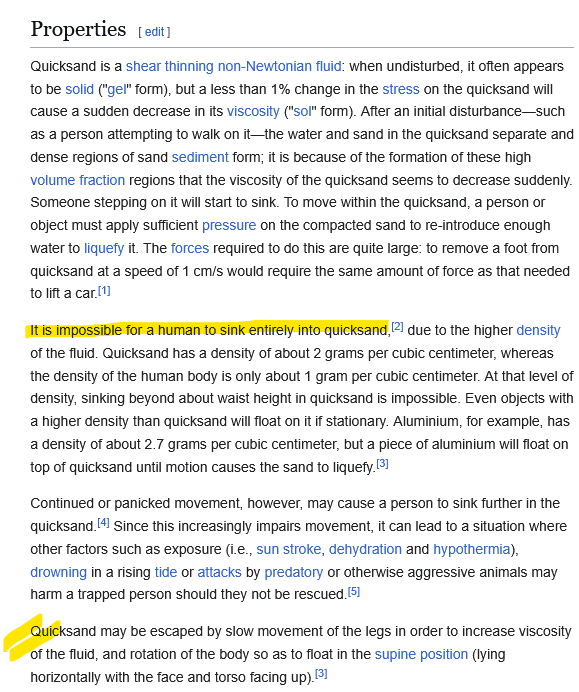
Would it be better to educate folks about
a. how quicksand isn’t all that quick
b. and one cannot drown in it unless one actively tries to / panics
c. and basic simple steps to easily float like a plank and move to the shore
Playing with venomous snakes is a tough act even standing on solid ground.
Is it prudent for folks who are in quicksand to attempt to play with venomous snakes?
(or even if they are not in quicksand, if they simply think that they are and act like they are)
What would be the equivalent of this metaphor in investing/trading markets?