The fund in which you had invested is a equity fund. There are generally 3 categories of funds : 1) Equity funds, 2) Debt Funds and 3) Liquid Funds. Most of the equity funds have an exit load of 1% till 365 days. It means that if you redeem the units within 365 days from the date of allotment then a charge of 1% will be levied on redeeming the units. Liquid funds generally do not have an exit load and the condition/rate of the exit load varies for different types of debt funds.
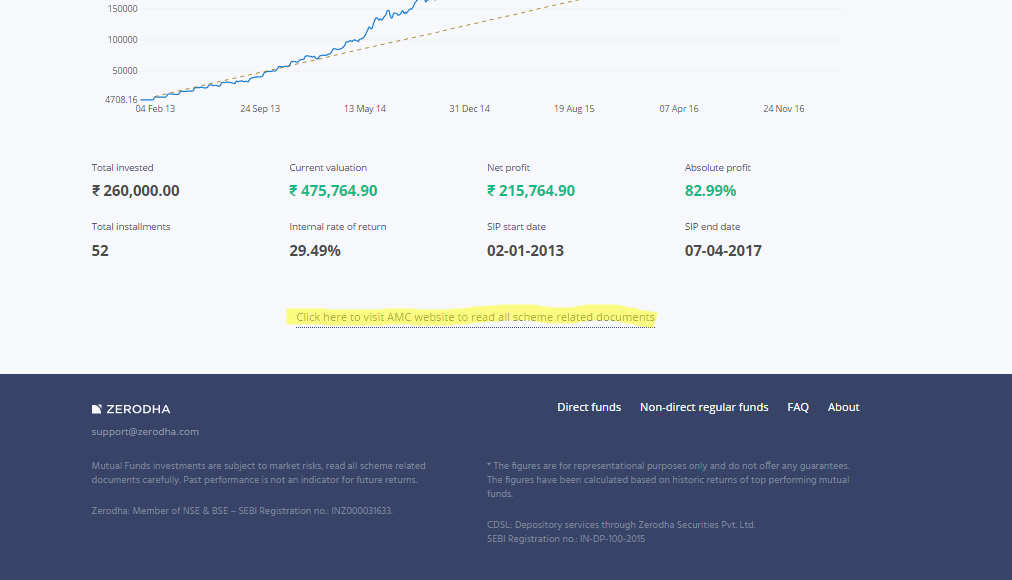
You can confirm if the scheme has an exit load by verifying the same in the scheme information document (SID). You can click on the link as shown in the screenshot (available on the fund page on COIN) which will redirect you to the AMC website from where you can download the SID.
In the SID, search for exit load and you would see the details as shown in the screenshot.
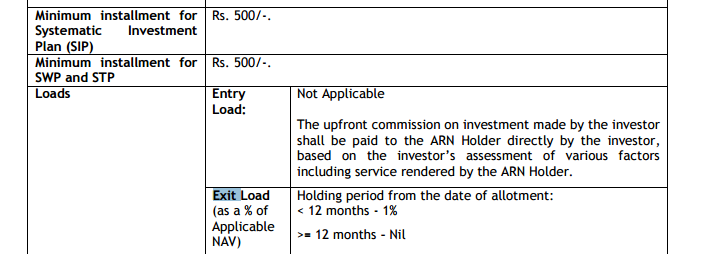
Hence, there is an exit load of 1% if redeemed before 365 days of allotment. Now, the AMC calculates the redemption amount (after levying exit load) as follows :
235.904 x [ 50.22 - (1% of 50.22)] = 235.904 x 49.719 = Rs 11,728.91 which is the amount that you received.
If you ever wish to check the value of NAV after the application of exit load, then you can verify the same from the AMFI wibsite. You can check the historical NAV of any fund on the website. If you check the historical NAV of this fund on the AMFI website then you would see the foolwing information.
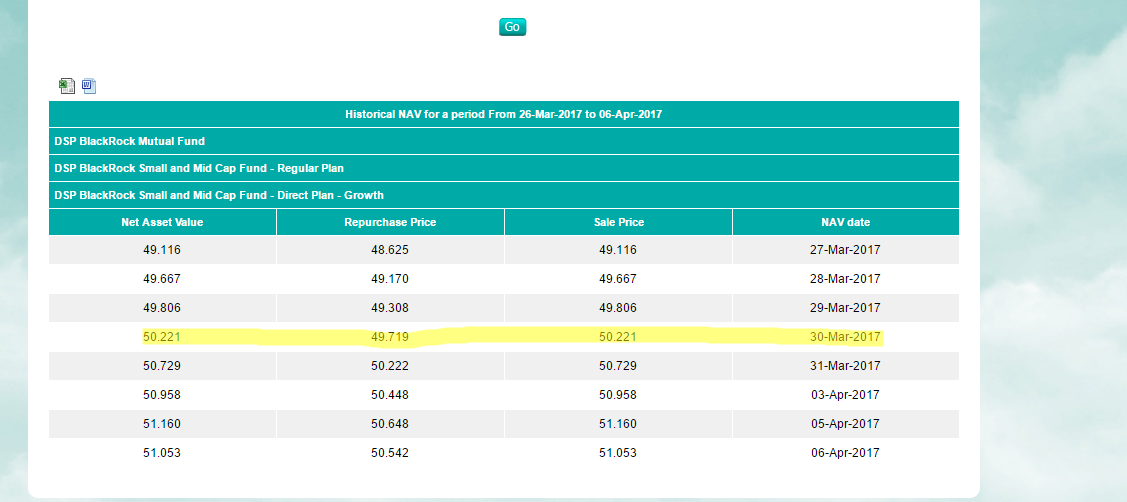
AMFI will always release 2 prices (in case there is an exit load ) : 1) Repurchase Price & 2) Sale price.
The former shows the reflects the NAV after the exit load has been levied and the latter is the price without the exit load which is usually the NAV at which you would receive the allotment of the units had you placed a purchase order on 30th March before the cut-off time.