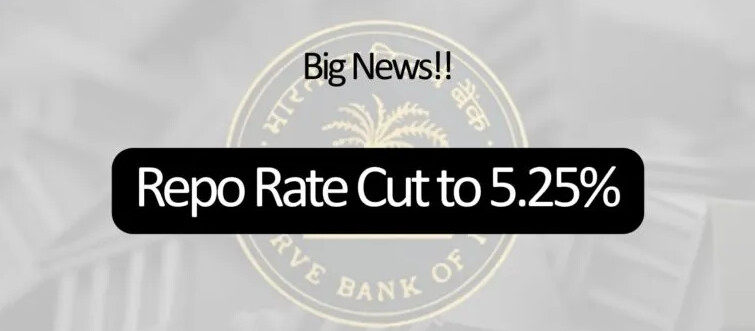
RBI just cut the repo rate by 25 basis points, and this one’s interesting because the timing is a bit unusual.
Inflation is at one of its softest points in years, so RBI seems confident enough to cool the rates and push growth. With the repo rate now at 5.25%, banks should eventually pass it on, meaning slightly cheaper EMIs for home, car, and personal loans.
What makes this move stand out is the backdrop:
the rupee has been weak, but RBI still chose to boost liquidity and upgrade India’s growth forecast to 7.3%. They even announced bond purchases worth ₹1 lakh crore to make sure money flows smoothly through the system.
Is this the right time for a rate cut or should they have waited?
That’s the thing. If growth/GDP numbers were so great, what’s the hurry to cut rates, in the backdrop of “rupee trashing by dollar” with news agencies reporting it crossed 90?
Think of currencies like shares of a company(in this case, the GOI and USA company). That’s the only way you should think of INR. You’re forced to hold and transact using INR and forbidden from holding/transacting other shares of a different company. The actual market value of the share INR/your income/your wealth changes daily even if you never invested in stock market.
“All other things being equal”, if shares of one company provides better return for your money, investors are likely to put money in that company’s shares. This creates demand for that share and therefore appreciation of that share price relative to shares of the other company which provides lesser return or interest. Said otherwise, INR value relative to USD improves if we provide better interest rate for our bonds compared to the US. However, all other things are not equal. Returns aren’t the only factor. The likelihood of a company going belly up also matters. When investors are already selling your shares (INR going to 90 vs USD), you add fuel to the fire by giving them even less returns than before(25 basis point cut).
The question is why though? Lesser interest rates help growth. Companies get easy money to borrow and use that to grow. But, if growth(GDP) was really all that hyped up to be, why cut interest rates and why now? And why has the market been flat for basically all the year, with “impressive growth” and reducing inflation? Why are promoters of famous companies exiting with IPOs now?
got it. if bonds interest rate is higher, fii might bring in more dollars into india to invest in these which in fact will improve the exchange rate. Yeah, now the exchange is already down at 90 and further reduction in interest rate, will make the inr depreciate more.
Thanks.
I hope my price
on motilal nasdaq, s&P and Faang ETF will go up but due to price range always remain within that range.
That’s because it’s already trading at huge premiums. Also, US indexes didn’t make a new high for a while now and showing signs of weakness. Whereas previously it was always new high every week or so. That’s why the reduction in premiums. Also, if Motilal interferes and makes it trade at iNaV, you’ll lose even more.
While technically yes, RBI will interfere directly by selling dollars… and market is usually “buy on rumors and sell on news”(this news may already be factored in)… and a “good” US trade deal will help the INR, but so far… only crickets… Highly likely for INR to depreciate in the near term but not without any opposition whatsover(free fall). In the long term however, it’s almost a certainty.
This is similar to raw material problem of a manufacturing company
RBI policy stance
Management issue of a company
global risk-off cycles
Fed tightening
structural capital flow imbalances
External forces/competition affecting the India company’s profitability.
The terms you used are over complicated, it’s just about the company’s profitability and sustainability that decides the share of that company’s value. INR is just the value of that India company as a whole. Note that the government can easily fudge GDP numbers and inflation numbers without much cost to itself, but they cannot do the same with the exchange rate without significant cost. The rate is the only thing outside their control altogether.