For ordinary investors, the stock market is ultimately about one thing: whether the value of their holdings is accurately reflected in the market price.
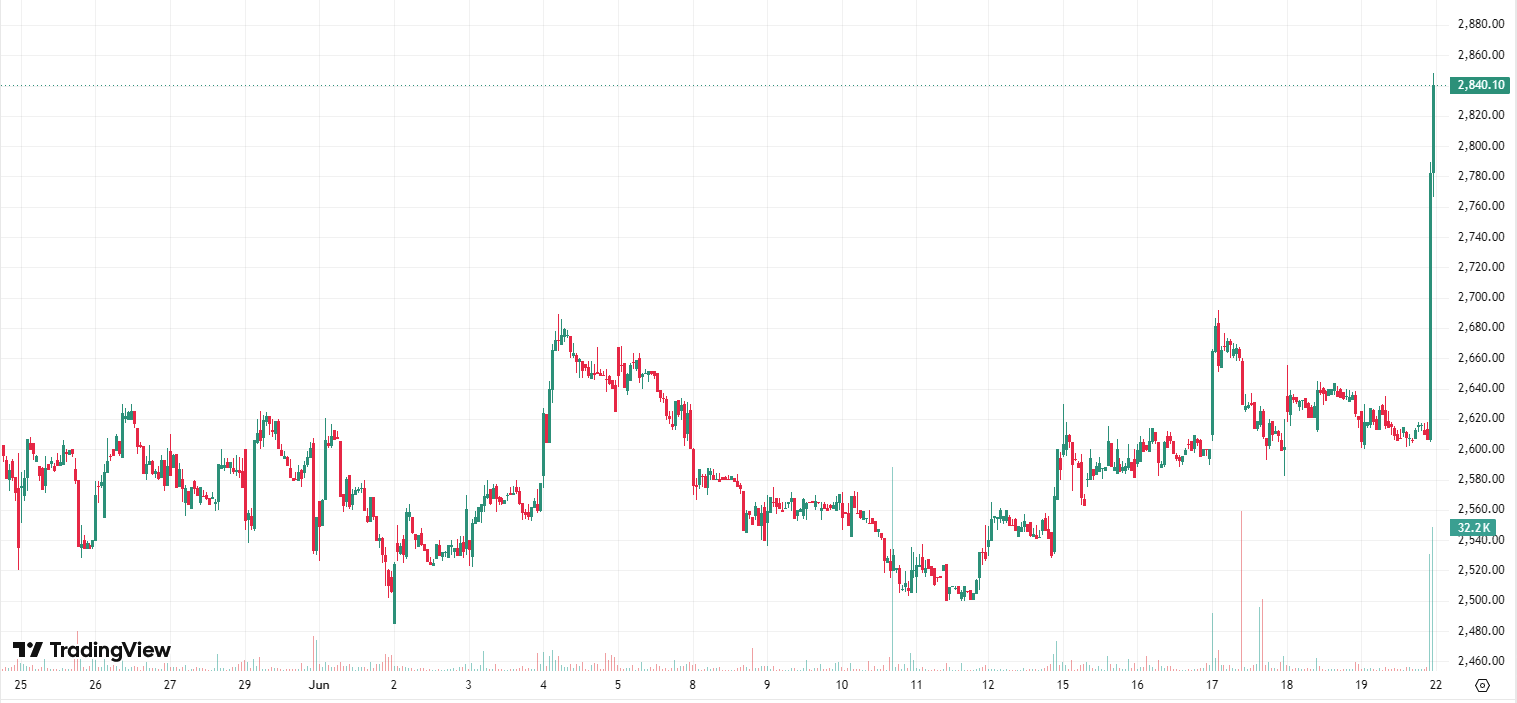
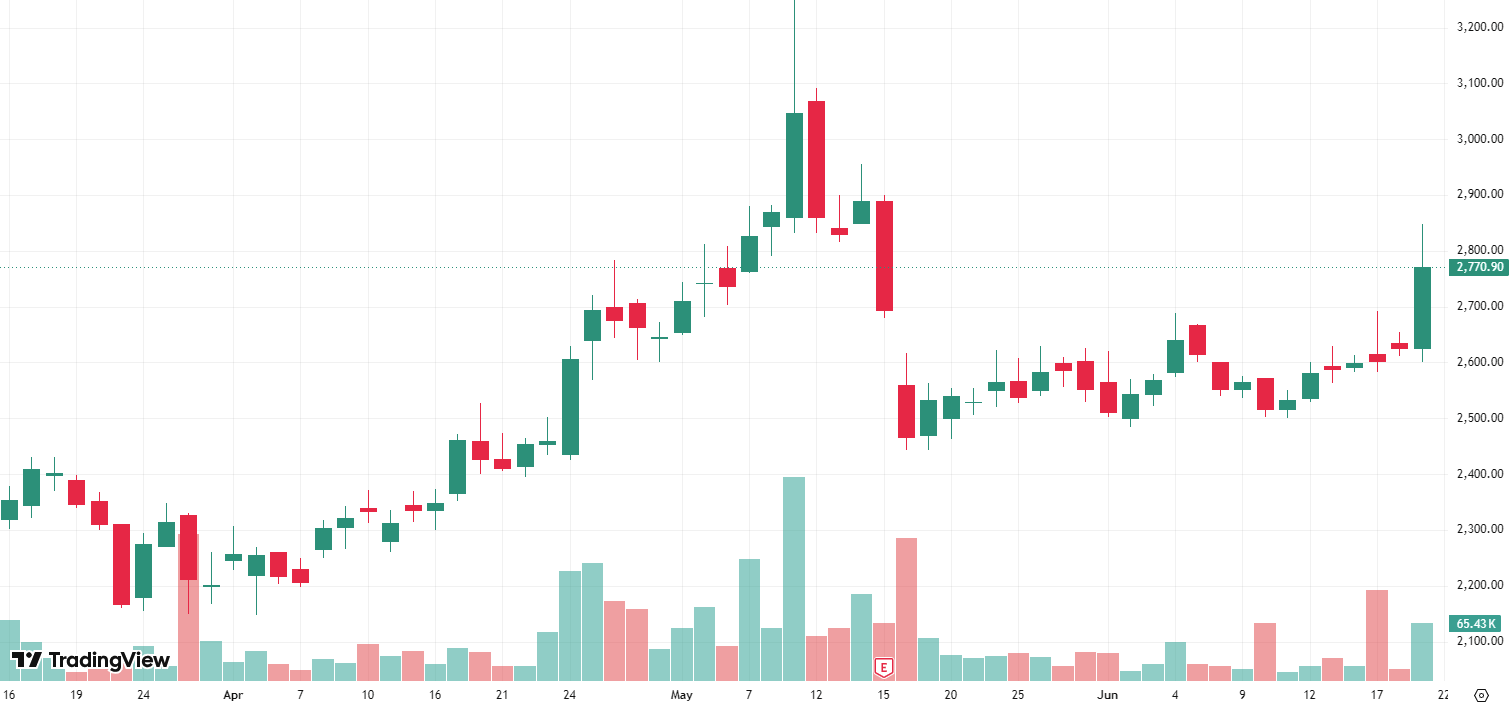
Yet India’s weighted-average closing mechanism often falls short when genuine price discovery occurs late in the day. Imagine a stock that barely moves for months, only to attract substantial institutional buying that pushes it up 10% during the final 30 minutes of trading. At precisely the moment the market is signaling a higher valuation, the official closing price is diluted by averaging it with lower prices from earlier in the window, causing the close to understate the market’s latest assessment of value.
Instead of recognizing this new market consensus, the closing price is averaged with lower prices from the previous 30 minutes, leaving the official close showing only a fraction of the gain.
For shareholders, this means a meaningful increase in value is effectively diluted on paper.
A closing price should capture where the market finally decides a stock is worth, not where it spent most of the last half hour before that value was discovered.
When real price discovery is repeatedly averaged away, investors end up seeing less of the wealth creation that the market itself has already recognized.